 Join us for the Graduate GIS Programs Information Session

GIS is Rewriting Archaeology Approaches
Geographic information science (GIS) has made a monumental impact in fields like the earth sciences and historical research. Archaeologists were among the earliest adopters of GIS, beginning to utilize geospatial technology for projects in the 1980s. Since then, GIS has continued to change archeology approaches for the better, opening new …
4 Applications of 3D GIS
Geographic Information Science (GIS) offers powerful tools for performing detailed analysis of spatial data and solving complex problems. Traditional GIS data is based on mapping in two dimensions, an x and y-value, which can be limiting in some applications. Utilizing 3D GIS software lets users engage with data from a …
Emerging GIS Technologies
Geographic Information Science and Technology (GIST) includes a versatile range of tools and techniques for capturing, analyzing and leveraging spatial information. With each passing year, advances in Geographic Information Systems (GIS) reveal new applications in urban planning, retail, space exploration, and more. Experts make the most of these opportunities by …
The Top 6 Industries for GIS
Geographic Information Science can bring together large amounts of geospatial data to help professionals make strategic decisions. Widespread GIS technology has led to a growing number of examples of GIS in business. Some of the best GIS projects may be those that utilize technology to improve community infrastructure and public …
Mapping America’s Future: 4 Ways GIS Data Impacts Elections
On an election night, many voters stay glued to their TV or phone as they wait for the results. They watch districts on the electoral map change color and the balance of political power shift as votes are tallied. That visual representation shows us how powerfully citizens’ choices can affect …
3 Countries Using GIS Technologies
Geographic Information Science (GIS) has come a long way since its beginning in the 1960s. Modern uses of GIS technology include accident analysis, urban planning, disaster management and much more. Geospatial data collection and analysis can lead to amazing results for individuals, communities and entire nations. So, where is GIS …
The Evolution of GIS
The history of using geographic information to better understand and solve complex problems can be traced all the way back to the 19th century. In 1832, French geographer Charles Picquet used various color gradients on a map of Paris to represent the number of deaths by cholera, making an early …
How GIS and Big Data are Creating Big Change for the World
The big data trend has dramatically impacted every industry, so it is little surprise that big data in GIS has significant implications for how we acquire and leverage spatial information. As we consider the way organizations are using geographic information science and technology, one of the clearest themes is that …
How GIS Has Evolved in the Digital Age
Digital cartography and GIS have had an impactful history in developing our understanding of the world; as GPS World editor Janice Partyka noted, some of the first digital maps were created by the U.S. Census Bureau, which used GIS and digital mapping to better understand population trends within specific Census …
How Mapping Is Used by NASA & Applications of GIS in Space
When we think of the tools involved in exploring outer space, images of astronauts collecting mineral samples on the moon may come to mind. However, scientists also depend on more remote methods to deepen our knowledge of the solar system and the universe beyond, like those offered by geographic information …
Request Brochure
Fill out the information below to learn more about the University of Southern California’s GIS Graduate Programs and download a free brochure. If you have any additional questions, please call 213-325-2474 to speak to an enrollment specialist.
Catalina Island Excursion
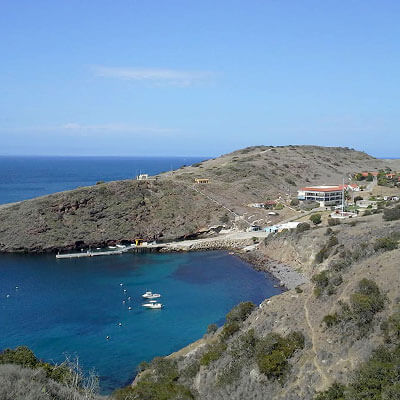
Students in the M.S. in GIST, M.S. in HSGI and Graduate Certificate in GIST programs will participate in a week-long fieldwork excursion...